You’ve probably seen the word “antioxidant” on foods, drinks and supplements. It sounds beneficial but what does it actually mean?
Antioxidants are compounds that help protect cells from oxidative damage caused by molecules known as free radicals. Your body has its own antioxidant defence systems, while foods such as fruits, vegetables, herbs, spices, nuts and seeds can provide additional antioxidant compounds.
Understanding how antioxidants work can help you make better decisions about your diet and everyday wellness routine.
Quick Answer: What Are the Benefits of Antioxidants?
Antioxidants help protect cells from oxidative damage caused by free radicals. The body produces some antioxidants naturally, while others come from the diet. Eating a varied diet rich in plant foods provides vitamins, minerals and plant compounds involved in maintaining normal health.
Importantly, antioxidants aren't a magic solution or a substitute for a balanced diet.
What Are Antioxidants?
Antioxidants aren't one specific substance. The term describes a broad range of compounds capable of interacting with free radicals and helping limit oxidative damage.
Examples include:
- Vitamin C
- Vitamin E
- Selenium
- Carotenoids
- Polyphenols
- Flavonoids
Plants also contain thousands of naturally occurring compounds that continue to be studied for their biological effects.
Turmeric, for example, contains a group of compounds called curcuminoids, including the well-known compound curcumin.
What Are Free Radicals?
To understand antioxidant benefits, it helps to understand free radicals.
Free radicals are highly reactive molecules produced through normal processes within the body. They can also arise following exposure to environmental factors.
Having free radicals in the body isn't automatically bad. They participate in normal biological processes.
Problems can arise when there is an imbalance between free radicals and the body's ability to manage them. This is known as oxidative stress.
What Is Oxidative Stress?
Oxidative stress describes an imbalance between reactive molecules and antioxidant defences.
Researchers study oxidative stress extensively because prolonged oxidative damage is associated with ageing and numerous biological processes.
Your body has sophisticated systems for maintaining this balance, including antioxidant enzymes and nutrients obtained through food.
That's one reason a varied, nutrient-rich diet is so important.
7 Antioxidant Benefits for Everyday Health
1. Helping Protect Cells From Oxidative Damage
One of the primary roles associated with antioxidants is helping protect cells from oxidative damage.
Different antioxidants work in different ways, which is why getting a variety through your diet is generally preferable to focusing on a single "super antioxidant."
2. Supporting Normal Immune Function
Certain nutrients with antioxidant functions also contribute to normal immune function.
For example, vitamin C, vitamin E, selenium and zinc all have recognised roles within the body.
This doesn't mean taking large quantities will prevent you from becoming ill. More isn't necessarily better when it comes to vitamins and minerals.
3. Supporting Normal Energy Metabolism
Some antioxidant nutrients also contribute to processes involved in normal energy metabolism.
However, antioxidants shouldn't be confused with stimulants.
Eating a nutritious diet, exercising regularly and getting sufficient sleep remain much more important for everyday energy than relying on individual supplements.
4. Supporting Skin From Within
Skin is continuously exposed to environmental factors, including sunlight.
Nutrients obtained from a balanced diet contribute to maintaining normal skin health. Vitamin C, for example, contributes to normal collagen formation for the normal function of skin and helps protect cells from oxidative stress.
Fruit and vegetables are particularly useful sources of antioxidant nutrients.
5. Supporting an Active Lifestyle
Physical activity temporarily increases the production of reactive molecules.
This is part of the body's normal response to exercise, and the body has its own antioxidant systems for managing it.
Rather than trying to eliminate free radicals completely, the goal should be supporting your body with adequate nutrition, hydration, recovery and sleep.
6. Supporting Healthy Ageing
Oxidative stress is one of many biological processes studied in relation to ageing.
That doesn't mean antioxidants can stop or reverse ageing.
A better approach to healthy ageing is combining antioxidant-rich foods with habits known to support long-term health, including:
regular movement + balanced nutrition + sufficient sleep + social connection + appropriate healthcare.
7. Supporting a Balanced Daily Diet
Perhaps the most practical antioxidant benefit is that antioxidant-rich foods tend to overlap with foods recommended as part of a healthy diet.
Berries, vegetables, nuts, seeds, herbs and spices provide far more than antioxidants alone. They also contain fibre and numerous vitamins, minerals and plant compounds.
That's why focusing on your overall dietary pattern makes more sense than searching for one miracle ingredient.
What Foods Are High in Antioxidants?
You don't need exotic foods to increase the variety of antioxidant compounds in your diet.
Everyday options include:
| Food | Notable compounds/nutrients |
|---|---|
| Berries | Anthocyanins, vitamin C |
| Citrus fruits | Vitamin C, flavonoids |
| Tomatoes | Lycopene, vitamin C |
| Carrots | Beta-carotene |
| Nuts & seeds | Vitamin E and plant compounds |
| Leafy vegetables | Carotenoids and vitamin C |
| Green tea | Polyphenols |
| Cocoa | Flavanols |
| Turmeric | Curcuminoids |
Aim for variety rather than consuming huge quantities of one particular food.
Is Turmeric an Antioxidant?
This is where antioxidants connect naturally with turmeric.
Turmeric (Curcuma longa) contains naturally occurring compounds known as curcuminoids. The best-known is curcumin, which has been extensively researched for its chemical and biological properties.
However, it's important to distinguish between laboratory research into curcumin and claims about what a turmeric food supplement will do in the human body.
Turmeric can form part of a varied diet and wellness routine, but it shouldn't be presented as a treatment for diseases associated with oxidative stress.
If you'd like to understand the difference between the spice and its best-known compound, read our guide: Turmeric vs Curcumin: What's the Difference?
Why Is Black Pepper Often Combined With Turmeric?
If you've looked at turmeric supplements, you may have noticed that many contain black pepper.
There's a reason.
Curcumin has relatively poor bioavailability when consumed by itself. Black pepper contains piperine, which has been investigated for its ability to increase curcumin bioavailability.
This is why the two ingredients are frequently paired in supplements.
Read more: Turmeric and Black Pepper: Why Are They Taken Together?
Are Antioxidant Supplements Better Than Food?
Not necessarily.
A healthy diet provides a complex mixture of nutrients and plant compounds alongside fibre and other beneficial components.
Supplements can be useful in specific circumstances, but they shouldn't be considered replacements for a varied diet.
It's also important to remember that very high doses of individual antioxidant supplements aren't automatically beneficial and can sometimes be inappropriate.
If you're taking medication, managing a medical condition, pregnant or breastfeeding, seek appropriate professional advice before introducing supplements where necessary.
How Can You Get More Antioxidants Naturally?
You don't need to completely change your diet.
Simple habits can increase the variety of antioxidant-containing foods you consume:
- Add berries or fruit to breakfast.
- Include different-coloured vegetables with meals.
- Snack on nuts or seeds.
- Use herbs and spices when cooking.
- Include leafy vegetables regularly.
- Choose a varied diet rather than relying on one "superfood."
A useful principle is to eat a variety of colours throughout the week.
Different coloured plant foods contain different combinations of nutrients and phytochemicals.
Frequently Asked Questions
What is the main benefit of antioxidants?
Antioxidants help protect cells from oxidative damage caused by free radicals. Different antioxidants perform different functions, so obtaining a variety through a balanced diet is important.
What happens if you don't get enough antioxidants?
There isn't one condition called "antioxidant deficiency." However, inadequate intake of specific nutrients such as vitamins C or E can affect normal bodily functions. A varied diet generally helps provide a broad range of antioxidant nutrients.
Should you take antioxidants every day?
Antioxidant-containing foods should form part of a healthy, varied diet. Whether an antioxidant supplement is appropriate depends on the specific nutrient, dosage and individual circumstances.
Which foods contain the most antioxidants?
Berries, colourful vegetables, nuts, seeds, herbs, spices, tea and cocoa contain various antioxidant compounds. Rather than looking for the single "highest antioxidant food," aim for dietary variety.
Does turmeric contain antioxidants?
Turmeric contains naturally occurring curcuminoids, including curcumin, which have been extensively researched. Turmeric can be included as part of a varied diet and everyday wellness routine.
Are more antioxidants always better?
No. High doses aren't automatically healthier, particularly when nutrients are taken in concentrated supplement form. Following recommended intakes and maintaining a balanced diet is a better approach.
Final Thoughts: Why Antioxidants Matter
The benefits of antioxidants are often surrounded by exaggerated marketing claims, but the basic science is straightforward: antioxidants participate in protecting cells from oxidative damage.
You don't need expensive superfoods or enormous supplement doses to support your antioxidant intake.
Start with the fundamentals: eat plenty of varied plant foods, stay active, sleep well and maintain a balanced lifestyle.
Foods and ingredients such as berries, vegetables, nuts, seeds, herbs and turmeric can all contribute to a varied diet.
Interested in Turmeric as Part of Your Daily Routine?
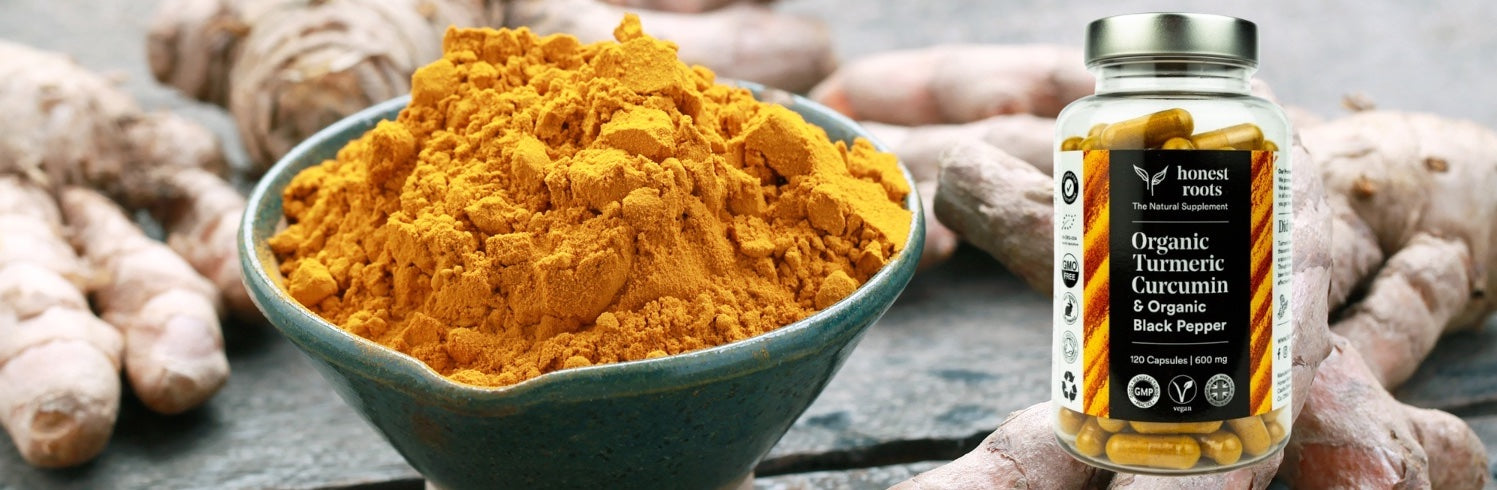
Explore Honest Roots Organic Turmeric with Organic Black Pepper, or continue reading our guides to learn more about turmeric, curcumin and everyday wellness.
Related Articles:
- Can You Take Turmeric Every Day? A Complete Guide
- Watch this video about the benefits of Turmeric
- TURMERIC WITH CURCUMINE AND BLACK PEPPER HELPS PROMOTE ULTIMATE HEALTH AND WELLNESS
- Turmeric, Supplements and the Corona Virus (Covid-19)
- Can Turmeric help my back problems?
- The Top Health Benefits of Turmeric
- Reasons to start using Turmeric in your everyday life
- The incredible benefits of Turmeric
- I took turmeric for knee pain. After 30 days, here are the shocking outcomes